
Hydration bladder or bottles: what changes on a long day

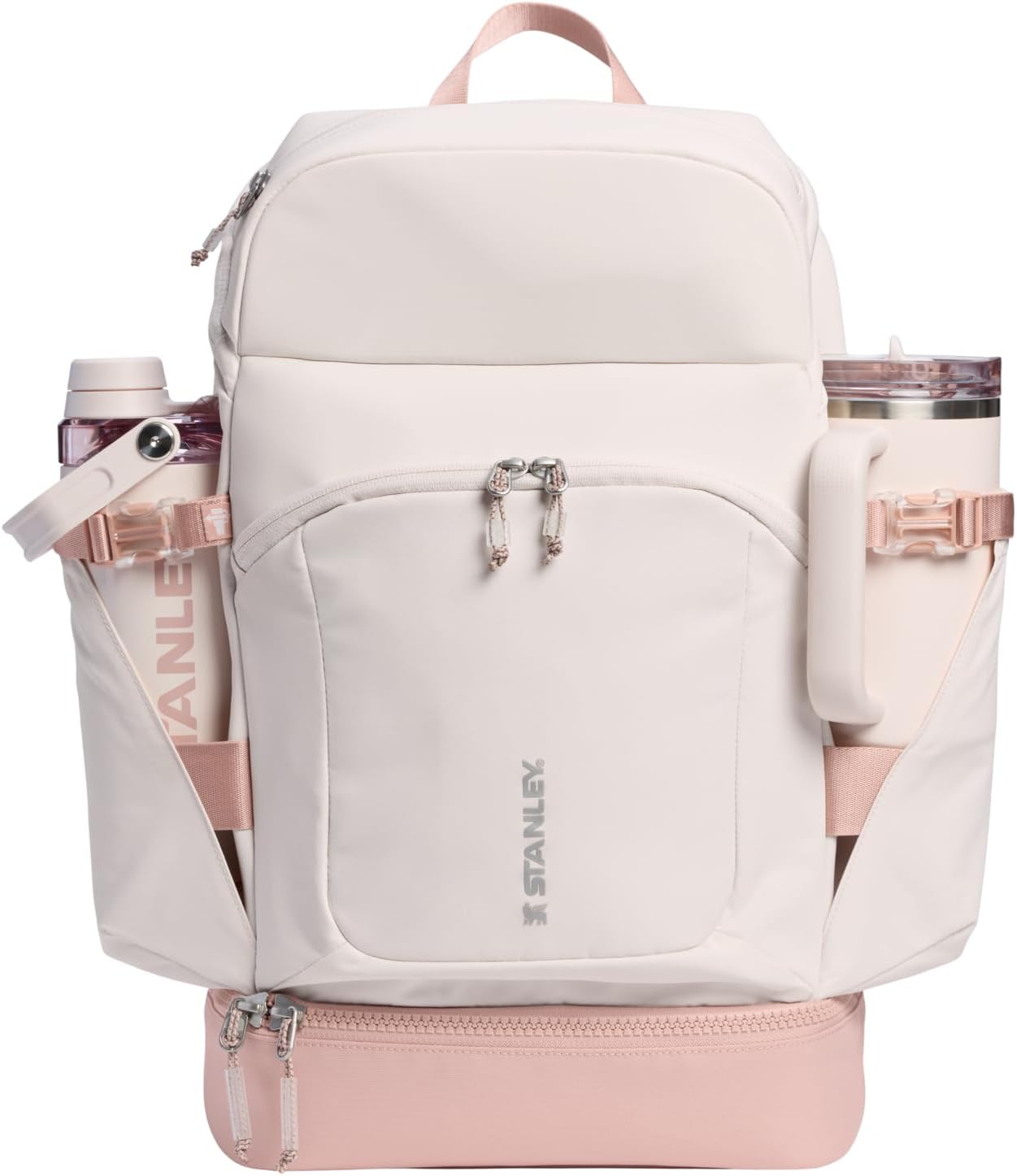
When planning an outdoor adventure, having the right hydration system is essential for staying refreshed and energized. Two popular options are hydration bladders and bottles. Each has distinct features that cater to different needs, especially during a long day on the trail. Understanding these differences can help you make an informed choice for your next backpacking trip.
Hydration bladders and bottles each come with their own set of advantages, making them suitable for various activities. The choice often depends on personal preferences, the type of terrain, and the duration of your outing. In this article, we will explore the key aspects of hydration systems, focusing on capacity, refilling, cleaning, freezing risk, and drinking rate without stopping.
Capacity Considerations
One of the most significant differences between hydration bladders and bottles is capacity. Hydration bladders typically hold more liquid than standard bottles, ranging from 1.5 to 3 liters. This extra volume can be invaluable on longer hikes where water sources may be scarce.
On the other hand, water bottles generally come in smaller sizes, such as 500 ml to 1 liter. While this may suffice for shorter excursions, larger bottles can be cumbersome to carry. Selecting the right capacity ensures you stay hydrated without needing frequent refills.
Refilling Ease
Refilling your hydration system can impact your overall experience on the trail. Hydration bladders often feature wide openings for easy filling, allowing you to add ice or clean them thoroughly. Some bladders even come with a removable hose for added convenience.
In contrast, water bottles can be less user-friendly when it comes to refilling, especially narrow-mouthed ones. While they may be easier to pack, you may find yourself stopping more frequently to refill at water sources, disrupting your hiking rhythm.
Cleaning Your Hydration System
Keeping your hydration system clean is crucial for maintaining taste and hygiene. Hydration bladders, due to their design, require more attention when it comes to cleaning. Most come with specific cleaning kits or can be easily scrubbed with a bottle brush.
Water bottles, particularly those with wide mouths, tend to be easier to clean. You can reach inside and scrub the surfaces without much hassle. However, specialized bottles may have narrow openings that can be tricky. Regular cleaning practices will extend the lifespan of either option.
Freezing Risk
When you’re heading into colder climates, consider the freezing risk associated with your hydration system. Hydration bladders can be more susceptible to freezing, especially if the hose is exposed to the cold. Some bladders have insulation features to mitigate this risk.
Water bottles, particularly stainless steel or insulated models, are less likely to freeze. However, be mindful that even insulated bottles can freeze if left in extreme conditions for too long. Evaluate your environment to choose the best option for cold-weather adventures.
Drinking Rate Without Stopping
One of the key advantages of hydration bladders is the ability to drink hands-free. The bite valve allows for quick sips without stopping, which is beneficial while navigating challenging terrain. This convenience can help maintain hydration levels without interrupting your pace.
With water bottles, you need to pause to take a drink, which can slow you down. However, some hikers prefer the tactile experience of drinking from a bottle. Consider how often you stop and how your hydration method may fit into your hiking style.
Weight and Bulk
Weight and bulk are essential factors to consider when selecting a hydration system. A full hydration bladder typically weighs more than a single water bottle, but the difference in weight can be negligible when carrying multiple bottles for the same volume of water.
Hydration bladders can conform to the shape of your backpack, making them easier to pack in tight spaces. Bottles, however, may take up more room, especially if you’re carrying more than one. Evaluating your pack’s capacity will help you choose the right system for your journey.
Durability and Material
The material of your hydration system can significantly affect its durability. Most hydration bladders are made from flexible plastic, which can be prone to punctures if not handled carefully. Look for models with reinforced areas for added protection.
Water bottles come in various materials, including plastic, stainless steel, and glass. Stainless steel bottles are particularly durable, while glass bottles may offer better taste. Assess the conditions of your hikes to determine which material will best suit your needs.
Compatibility with Gear
Compatibility with your pack and other gear is another important consideration. Hydration bladders are often designed to fit specific hydration compartments in backpacks, making them easy to carry. Many packs also come with built-in hose routing for convenience.
Water bottles may not always fit into designated pockets, especially larger ones. Some hikers opt for bottle holsters or straps to keep their bottles accessible. Understanding your pack’s design can help you decide which hydration method integrates best with your gear.
The Short Version
Choosing between a hydration bladder and a water bottle depends on several factors, including capacity, ease of refilling, and your hiking style. Hydration bladders are excellent for hands-free sipping and longer hikes, while bottles may offer simplicity and ease of cleaning. Consider your specific needs to make the best choice for your outdoor adventures.
Where to go next
Everything discussed here lives in Camp Utensils and Drinkware. If you are weighing two options and cannot decide, the answers page covers the questions we get asked most, and a message reaches the people who pack the orders.
From that section
- Stanley Vitalize Backpack in Rose Quartz
- Gaialoop 12-Piece Portable Camping Utensil Set with Organizer Bag
- Jetboil TrailSpoon Extendable Backpacking Spoon