
Keeping gear dry when the forecast is wrong

When heading out for an adventure, staying dry isn’t just about comfort; it’s essential for safety and enjoyment. Weather forecasts can be unpredictable, so preparation is key. Proper gear management, especially in terms of keeping your essentials dry, can make a significant difference in your backpacking experience.
Understanding how to organize your gear, the importance of dry sacks, and knowing which items must remain dry can help you avoid unpleasant surprises on the trail. Here’s how to ensure your gear is protected from unexpected rain or moisture.
Utilizing Dry Sacks
Dry sacks are a fundamental tool for backpackers looking to keep their gear dry. Made from durable, water-resistant materials, these sacks provide a reliable barrier against moisture. By separating your gear into different dry sacks, you can quickly access what you need while ensuring that your essentials remain protected.
When choosing dry sacks, consider various sizes for different items. Smaller sacks can be used for electronics and clothing, while larger ones are suitable for sleeping bags and food. Sealing them tightly will ensure that water stays out, even during heavy rain.
Packing Order Matters
The order in which you pack your gear can significantly impact its protection from moisture. Place heavier items at the bottom of your pack to create a solid base, and keep lighter, more delicate items on top. This method not only improves balance but also helps prevent damage to sensitive gear.
Additionally, keep your most essential items—such as clothing and electronics—easily accessible at the top or in separate dry sacks. This way, you can quickly reach them if you need to set up camp in adverse weather conditions.
What Must Stay Dry
Not all items are created equal when it comes to moisture exposure. Certain gear must remain dry to function properly and ensure your safety on the trail. Clothing, sleeping gear, and food supplies are critical items that need protection from water.
Electronics, such as GPS devices and mobile phones, also fall into this category. If these items get wet, they may fail when you need them most. Therefore, prioritize keeping these essentials dry and invest in quality dry sacks or waterproof cases for added protection.
Using a Tree Belt
One effective method to keep your gear off the wet ground is to use a tree belt. This simple device allows you to suspend your gear above ground level, where it is less susceptible to moisture from rain-soaked earth. Using a tree belt can also help keep your items away from critters and insects.
To use a tree belt effectively, find a sturdy tree branch at a comfortable height. Securely attach the belt around the branch and hang your gear in dry sacks. Ensure that the gear is balanced and secure to prevent it from falling during windy conditions.
Choosing the Right Tent Hardware
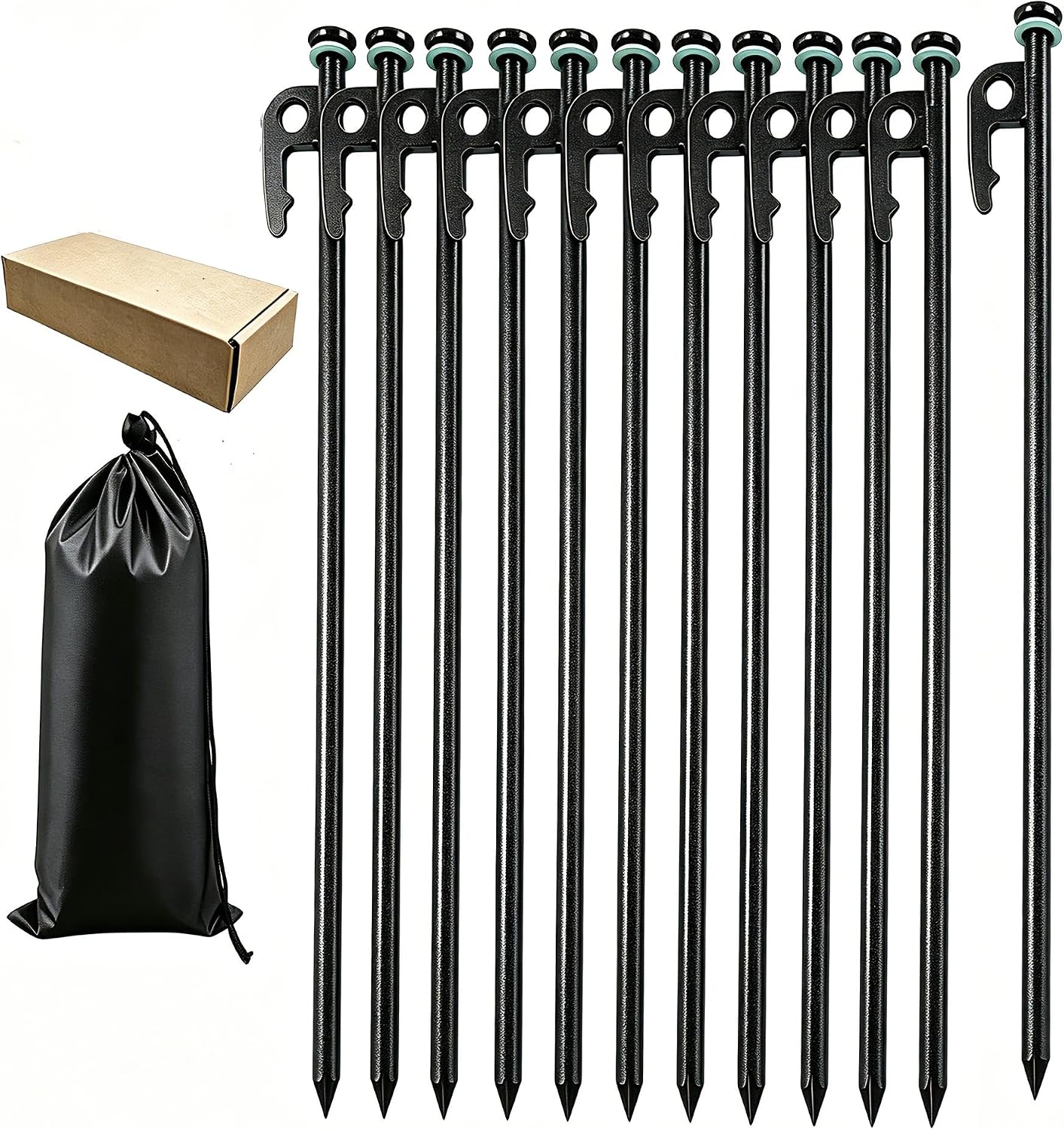
The hardware you use for your tent plays a crucial role in keeping your gear dry. Reliable stakes and guylines are essential for anchoring your tent securely to the ground. If your tent is stable, it will be less likely to collect water or be blown away in high winds.
Invest in quality tent stakes that can penetrate the ground well, especially in rocky or sandy areas. Additionally, consider using a footprint under your tent to provide an extra layer of protection against moisture and abrasion.
Maintaining Your Gear
Regular maintenance of your gear can significantly reduce the risk of moisture infiltration. Before heading out, inspect your dry sacks and tents for any signs of wear or damage. Repair any holes or tears promptly to maintain their integrity.
After each trip, make sure to clean and dry your gear thoroughly. This practice not only helps prevent mildew but also extends the life of your equipment. Store your gear in a cool, dry place to keep it in optimal condition for your next adventure.
Planning for Unexpected Weather
No matter how accurate a weather forecast may seem, it’s wise to prepare for unexpected changes. Always pack extra rain gear, such as a waterproof jacket and rain cover for your backpack, to ensure you stay dry even in the worst conditions.
Keep in mind that temperature drops can occur with rain, so layering is vital. Having a moisture-wicking base layer, an insulating middle layer, and a waterproof outer layer can help you adapt to rapidly changing weather conditions, keeping you comfortable and dry.
Staying Dry While Cooking
If you plan to cook during your backpacking trip, consider the location of your cooking area. Set up your cooking station in a sheltered area to avoid getting your cooking gear wet. A tarp can be a useful addition to your setup for this purpose.
Ensure that your cooking equipment, such as pots and pans, is stored in dry sacks when not in use. Proper organization will prevent water from seeping into your cooking gear and ensure a smooth cooking experience, even if the weather isn’t cooperating.
The short version
To keep your gear dry when the forecast is wrong, utilize dry sacks for sensitive items, pay attention to packing order, and ensure that critical gear remains dry. Use a tree belt to elevate your equipment off wet ground, invest in reliable tent hardware, and always prepare for unexpected weather changes. Regular maintenance and smart planning will enhance your outdoor experience.
Where to go next
Everything discussed here lives in Tent Stakes and Hardware. If you are weighing two options and cannot decide, the answers page covers the questions we get asked most, and a message reaches the people who pack the orders.
From that section
- Heavy Duty Aluminum Tent Stakes, 12 Pack, 9.84 Inch
- Osprey Ultralight Waterproof Dry Sack
- FresKaro 1kN Double-Ended Wiregate Carabiner