
Cleaning camp cookware without a sink

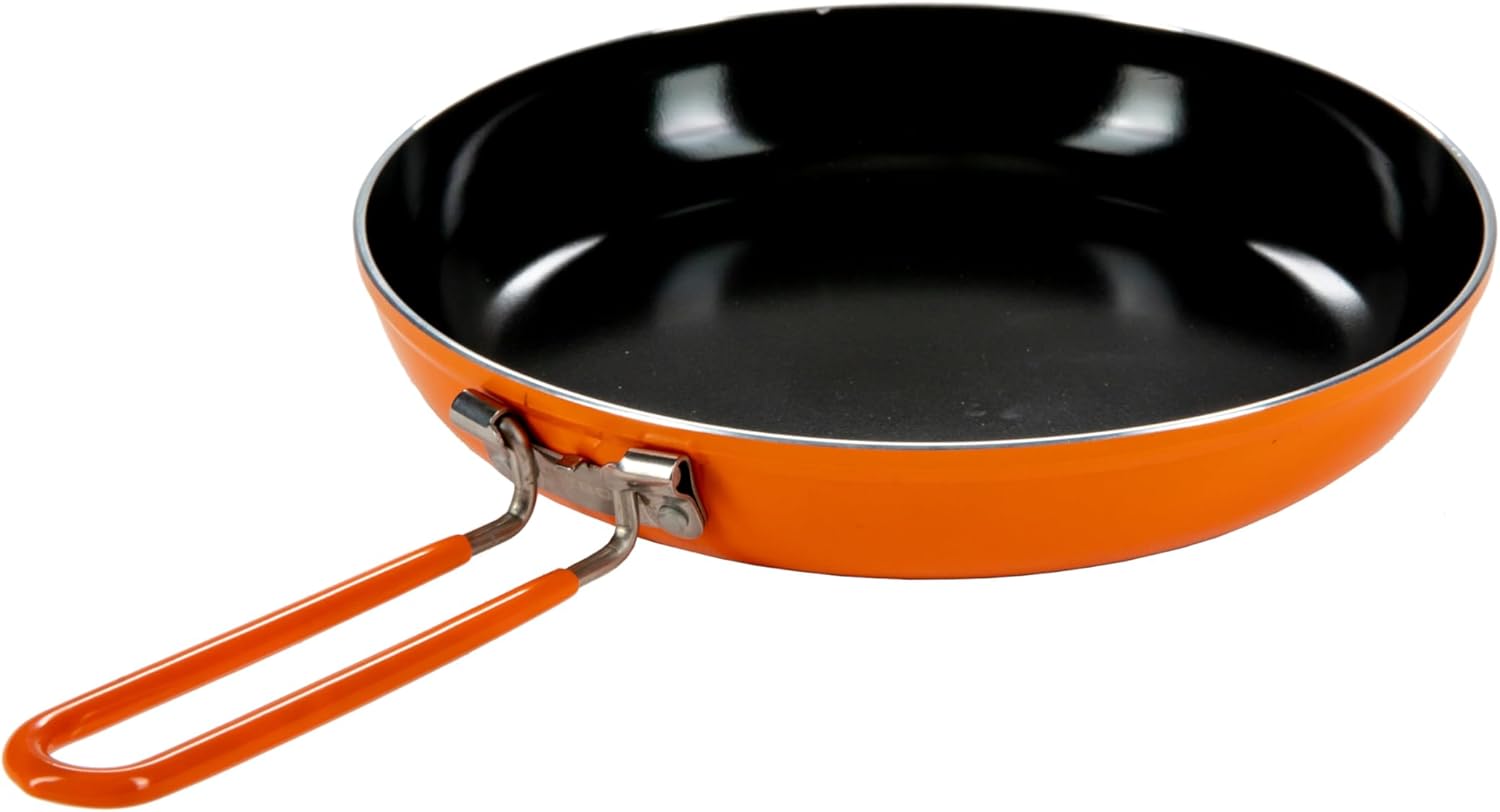
When you’re out in the wilderness, maintaining clean camp cookware is essential for a safe and enjoyable experience. Without the luxury of a sink, it can be a challenge. However, with the right approach, you can keep your gear in top condition and ready for the next meal.
Understanding the proper cleaning techniques can make a significant difference. This guide will walk you through effective methods to clean your camp cookware without a sink, emphasizing the importance of scraping, water discipline, and proper drying techniques.
Start with Scraping
The first step in cleaning your camp cookware is to scrape off any leftover food particles. Use a spatula or a dedicated scraper to remove stuck-on bits before applying any water. This step minimizes the amount of water needed for cleaning, conserving this precious resource.
For pots and pans, make sure to get into the nooks and crannies. Pay special attention to any areas where food may cling. A thorough scrape can significantly reduce the need for vigorous scrubbing later on, making the entire process more efficient.
Water Discipline
Water is often limited when camping, so practicing water discipline is vital. Instead of filling a pot with water to soak your cookware, use just enough to dampen a cloth or sponge for wiping. This method not only saves water but also allows you to clean your gear more effectively.
When you do use water, opt for a minimal amount to rinse your cookware after scrubbing. This will help you manage your water supply and ensure you have enough for cooking and hydration throughout your trip.
Cleaning Anodised Surfaces
Many camp cookware items feature anodised surfaces, which are durable yet require special care. Avoid using abrasive scrubbers that can scratch the surface. Instead, use a soft sponge or cloth to clean these pots and pans.
For tough stains on anodised cookware, a paste of baking soda and water can be effective. Apply the paste, let it sit for a few minutes, and then gently scrub with a soft sponge. This method will help maintain the integrity of the anodised layer while effectively removing stains.
Tools of the Trade
Having the right cleaning tools can make a difference in how well you maintain your camp cookware. Consider packing a few essential items to facilitate the cleaning process.
- Soft sponges or cloths
- Scraper or spatula
- Baking soda for tough stains
- Small container for mixing cleaning solutions
By bringing along these tools, you can ensure that your cookware stays clean without the need for excessive water or harsh chemicals. This simple preparation can save you time and effort on the trail.
Drying Your Cookware
After cleaning, it’s crucial to dry your cookware thoroughly before packing it away. Moisture can lead to rust and unwanted odors, which can ruin your next camping meal. Use a clean cloth or allow your gear to air dry in the sun if possible.
Make sure to check all surfaces, including the inside of pots and pans, to ensure they are completely dry. If you’re in a hurry, you can use a paper towel to expedite the drying process. Just be cautious not to leave any residue behind.
Storing Clean Cookware
Once your cookware is clean and dry, proper storage is essential. Avoid nesting pots and pans directly on top of each other, as this can scratch anodised surfaces. Instead, use cloth or paper towels between each item to protect them.
Storing your cookware in a breathable bag or container can help maintain its condition. This practice not only keeps your gear organized but also prevents moisture build-up, ensuring your cookware remains ready for your next adventure.
Regular Maintenance on the Trail
Performing routine maintenance on your cookware during your trip can make cleaning easier when you return home. Take a few moments after each meal to rinse off any large food particles and wipe down surfaces.
This proactive approach can help prevent any build-up of grime and make your end-of-trip cleaning much simpler. Plus, it keeps your cooking environment hygienic and pleasant throughout your time outdoors.
Choosing the Right Cookware
Your choice of camp cookware can greatly influence how easy it is to clean. Opt for non-stick or anodised options that are designed to withstand the rigors of camping. These materials are often easier to clean and can help you avoid the hassle of scrubbing.
Before purchasing, consider the weight and durability of the cookware. Investing in high-quality materials can save you time and effort in maintenance, allowing you to focus on enjoying your camping experience.
The short version
Cleaning camp cookware without a sink requires a methodical approach. Start by scraping off food remnants, practice water discipline, and use gentle cleaning techniques for anodised surfaces. Ensure all cookware is thoroughly dried before packing, and consider regular maintenance to simplify the cleaning process during your trip. By following these tips, you can keep your camp cookware in excellent condition for many adventures to come.
Where to go next
Everything discussed here lives in Camp Cookware. If you are weighing two options and cannot decide, the answers page covers the questions we get asked most, and a message reaches the people who pack the orders.
From that section
- Jetboil Summit Skillet Non Stick Camping Cookware
- Bulin 13-Piece Camping Cookware Set
- Naturehike Camping Cookware Set