
Packing a daypack so the weight sits right

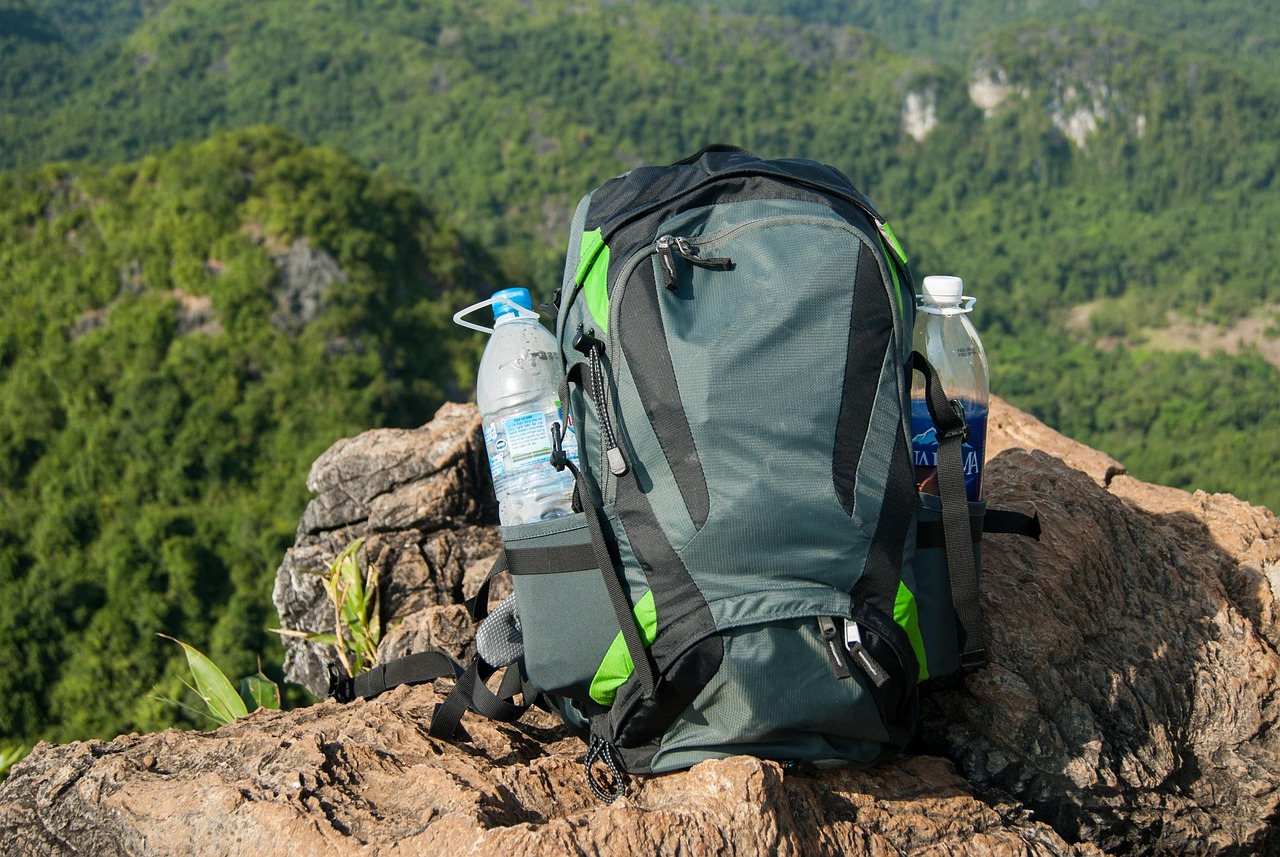
Packing a daypack correctly is essential for a comfortable hiking experience. Ensuring that the weight sits right on your back can make all the difference in your energy levels and overall enjoyment of the trip. In this guide, we’ll explore how to strategically pack your daypack, focusing on weight distribution and placement of items.
The key principle when packing a daypack is to place heavier items close to your spine. This positioning helps maintain balance and reduces strain on your back. Additionally, knowing what to place in the lid and how to test your pack before you hit the trail will enhance your hiking experience.
Understanding Weight Distribution
Weight distribution is critical for comfort during hikes. When heavy items are positioned correctly, they keep your center of gravity stable, allowing for better movement and less fatigue. Placing heavier items too far from your back can lead to discomfort and instability, especially on uneven terrain.
To achieve proper weight distribution, begin by loading your heavier items first. This may include cooking gear, water bottles, or food supplies. Keep these items in the main compartment, with the heaviest gear against your back and the lighter items farther out.
Choosing the Right Backpack
Selecting the right backpack is just as important as how you pack it. A well-fitted backpack will provide support and comfort on your hike. Look for features such as adjustable straps and a padded back panel, which can significantly affect how weight is distributed.
Additionally, consider the size and style of the backpack. A daypack should be large enough to fit all your essential gear while remaining lightweight. An overly large pack can lead to unnecessary weight and a cumbersome experience.
Packing Heavier Items
When packing heavier items, position them as close to your spine as possible. This technique helps ensure that the weight is balanced and reduces the strain on your shoulders and back. Common heavy items include your tent hardware and cooking equipment.
For best results, try to stack these items vertically, keeping the center of gravity low. This configuration will help maintain stability and make it easier to navigate tricky trails.
Utilizing the Lid
The lid of your backpack is a great place to store lighter and frequently used items. Items such as snacks, a map, or a first-aid kit can be easily accessible when stored in the lid. This placement allows you to grab what you need without rummaging through your entire pack.
Additionally, by using the lid for lightweight items, you can help balance the weight in the main compartment. This practice keeps your load stable and reduces the likelihood of items shifting while you hike.
Testing Your Pack
Before leaving the car, it’s essential to test your pack. Stand up straight and adjust the straps to ensure a snug fit. The pack should sit comfortably against your back without any gaps. Take a moment to walk around with it to assess how it feels.
Make adjustments if necessary. If you feel any discomfort or imbalance, rearranging items or redistributing weight can help. Remember, a well-packed daypack can significantly improve your hiking experience.
Adjusting Straps and Fitting
Properly adjusting the straps of your backpack is crucial for comfort. The shoulder straps should be snug but not restrictive, allowing for ease of movement. The hip belt should also be secured to distribute weight evenly across your hips.
After packing, take time to adjust the straps again. A small change can lead to significant comfort improvements on the trail. Ensure that the load feels balanced and that you can move freely without feeling weighed down.
Consider Weather and Terrain
Your packing strategy may vary depending on the weather conditions and terrain you expect to encounter. If you anticipate rain, consider placing waterproof gear on top or in the lid for quick access. Similarly, rocky or uneven trails might require more sturdy footwear and support gear.
By preparing for the specific conditions you might face, you can pack more efficiently. This preparation allows you to enjoy your hike without unnecessary adjustments or discomfort.
Practice Makes Perfect
Finally, practice packing your daypack before heading out on a longer hike. Trying different configurations helps you discover what works best for your specific gear and needs. This trial-and-error approach will allow you to optimize your packing strategy.
Consider taking shorter day hikes to test your pack. Use these opportunities to adjust your gear and packing method until it feels just right. With practice, you will gain confidence and comfort on the trail.
The short version
To pack a daypack effectively, place heavier items close to your spine for better balance and comfort. Use the lid for lighter, frequently accessed items. Test your pack before leaving, ensuring a snug fit and balanced weight. Adjust straps as necessary and practice packing to refine your technique for future hikes.
Where to go next
Everything discussed here lives in Packs and Sleep. If you are weighing two options and cannot decide, the answers page covers the questions we get asked most, and a message reaches the people who pack the orders.
From that section
- Ogio Renegade DNA Backpack – 27L, Black
- REDCAMP Adult Flannel Sleeping Bag with Detachable Hood
- Scothen Double Decker Backpack Cooler with 12 Ice Packs